DIY: Plant My Own Hidey-Hole Food Plot To Get that Elusive Buck
I only recommend products I believe in and use myself. If you purchase something using a link to an item on a post, I may earn a small commission at no additional cost to you. Read More
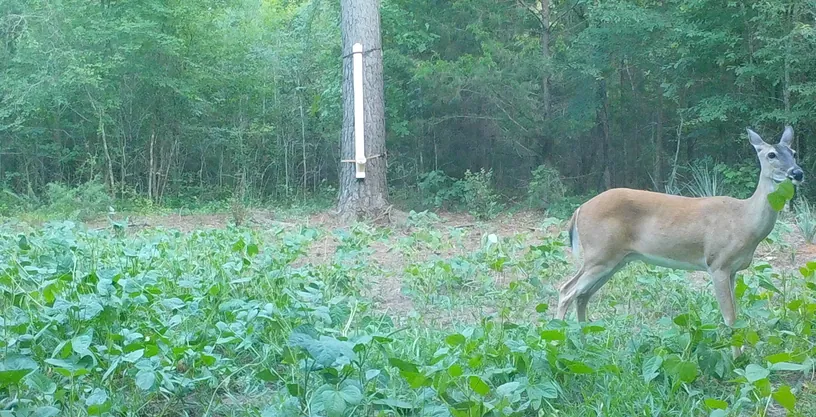
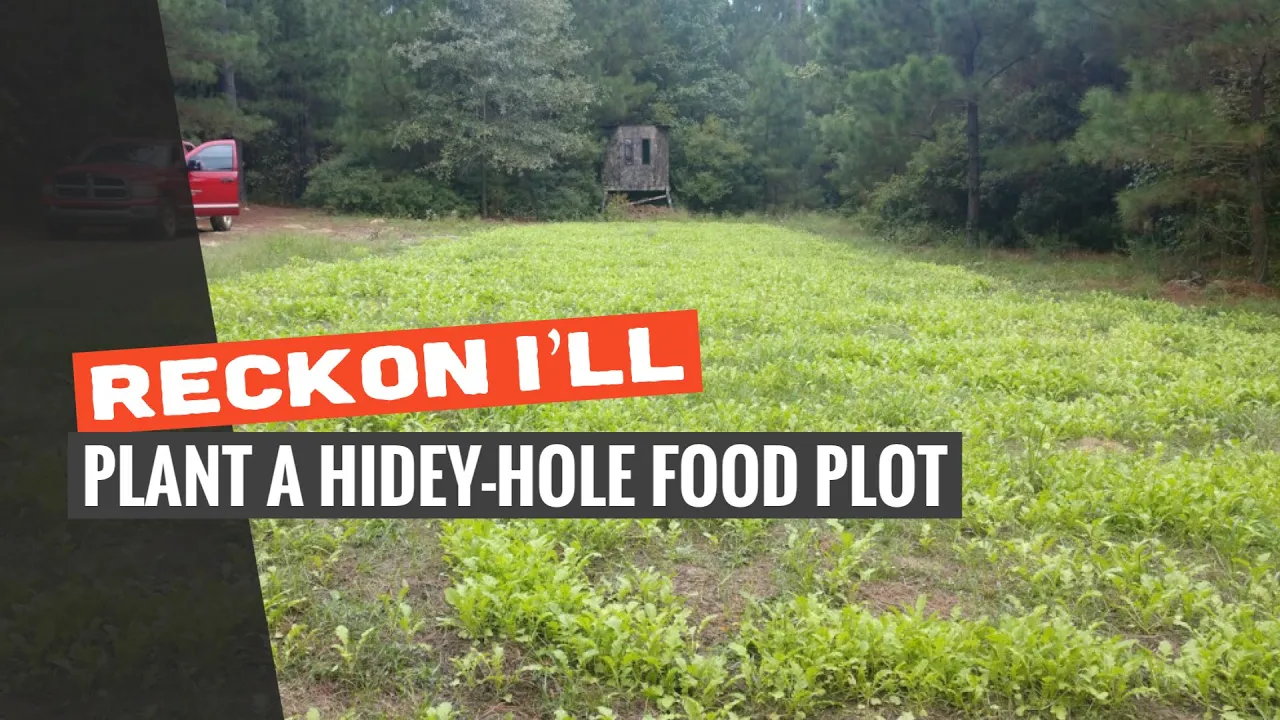
A hidey-hole is a small food plot (typically 1 acre or less) designed to make deer feel safe. These plots act as a transition zone where deer stop for a quick bite just before dark before moving to larger, more open food sources under the cover of night.
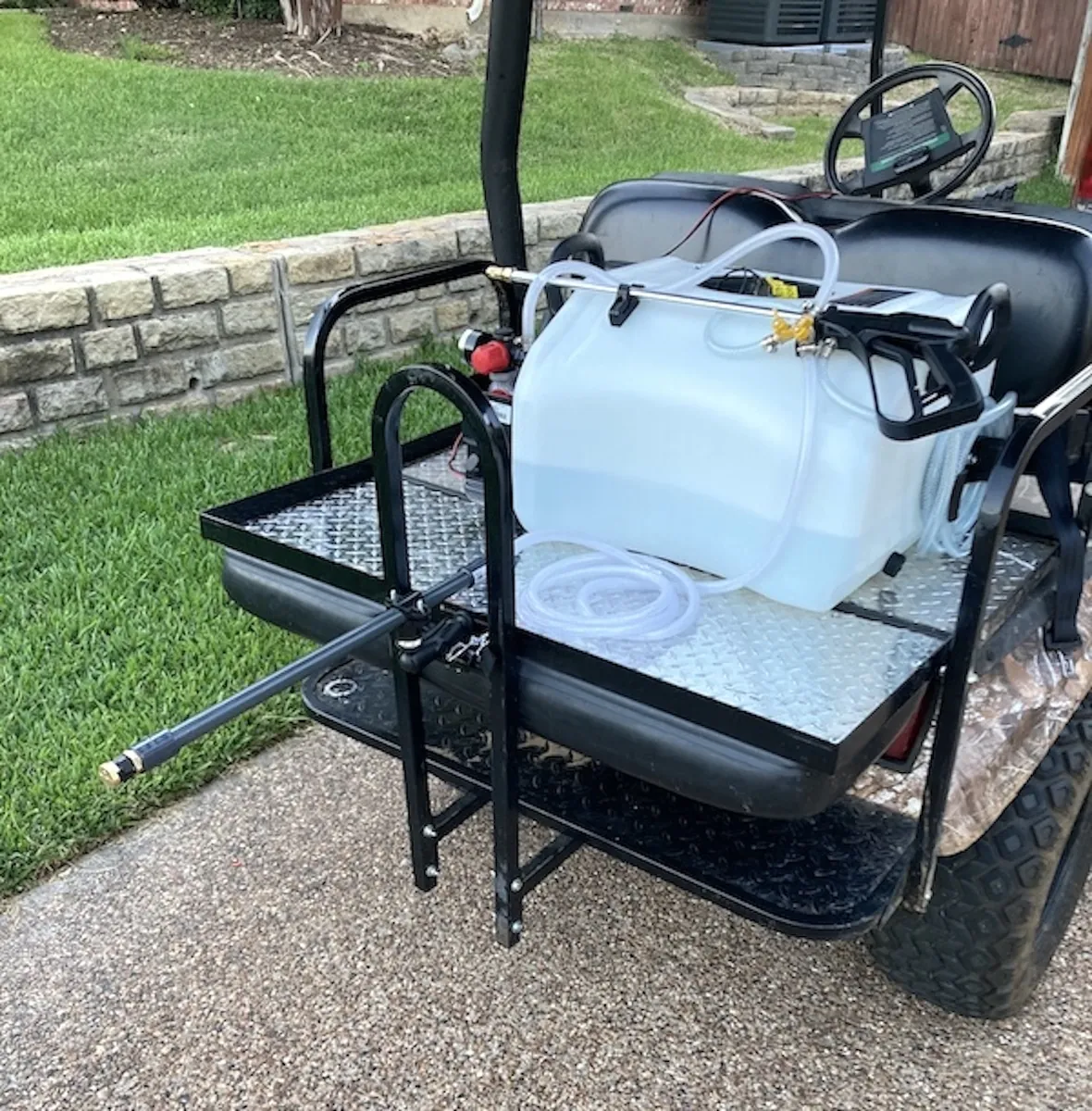
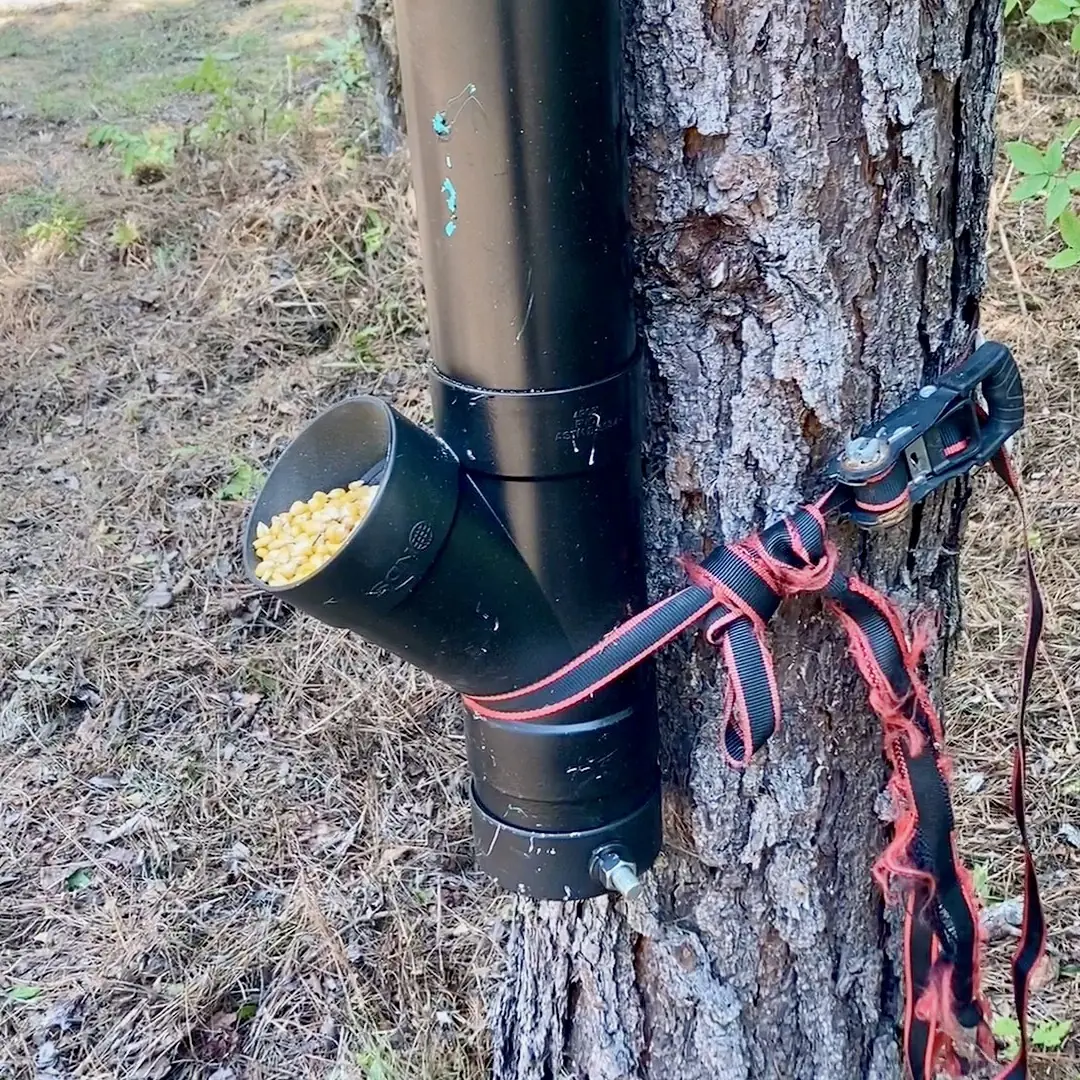
Materials Needed
Tools: Weed Eater, Rake, Backpack Blower, or a small tractor with a box blade.
Spreaders: Walk-Behind Broadcast Spreader (for lime/potash) and a Hand-Crank Spreader (for seed).
Soil Nutrients: Pelletized Lime and Potash.
Seed: Purple Top Turnip, Daikon Radish, or a No-Till Blend.
Step 1: Get the Soil Tested
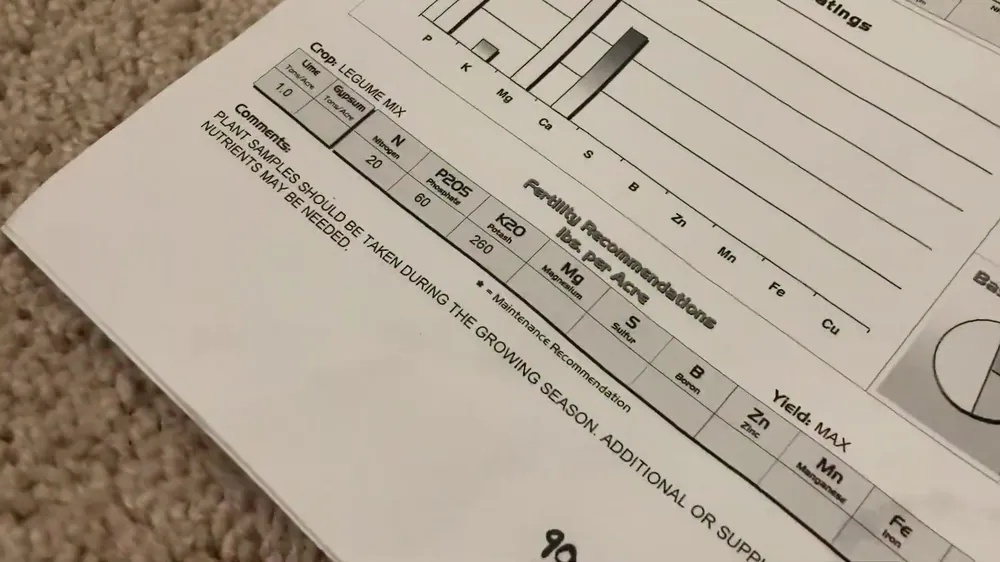
Before planting, send soil samples to a lab (like Waters Agricultural Laboratories) to determine exactly what your soil needs for maximum yield. You can collect samples easily by driving a piece of 3/4″ PVC pipe into the soil at various spots across the plot. [00:00:33]
Step 2: Clear Out Old Growth
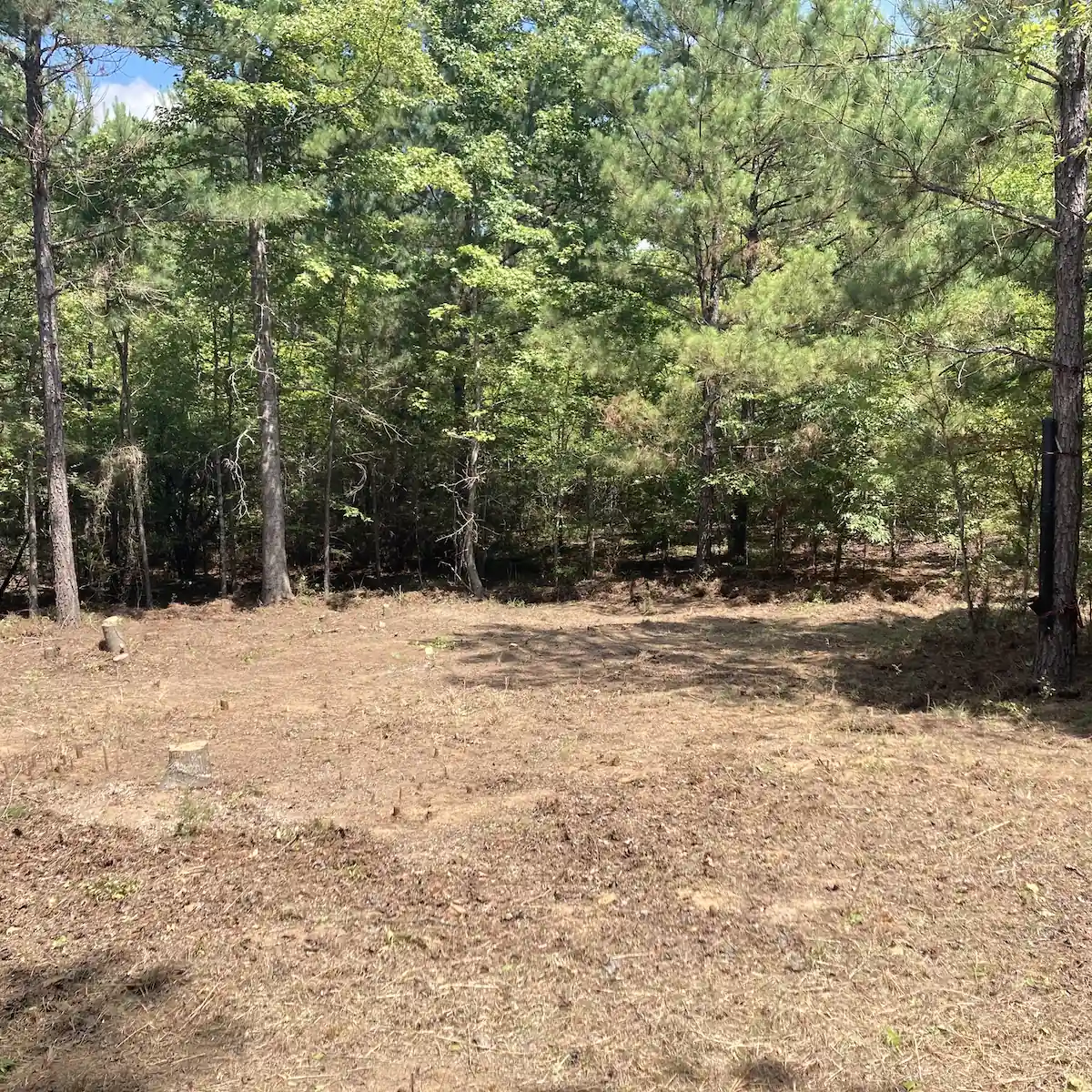
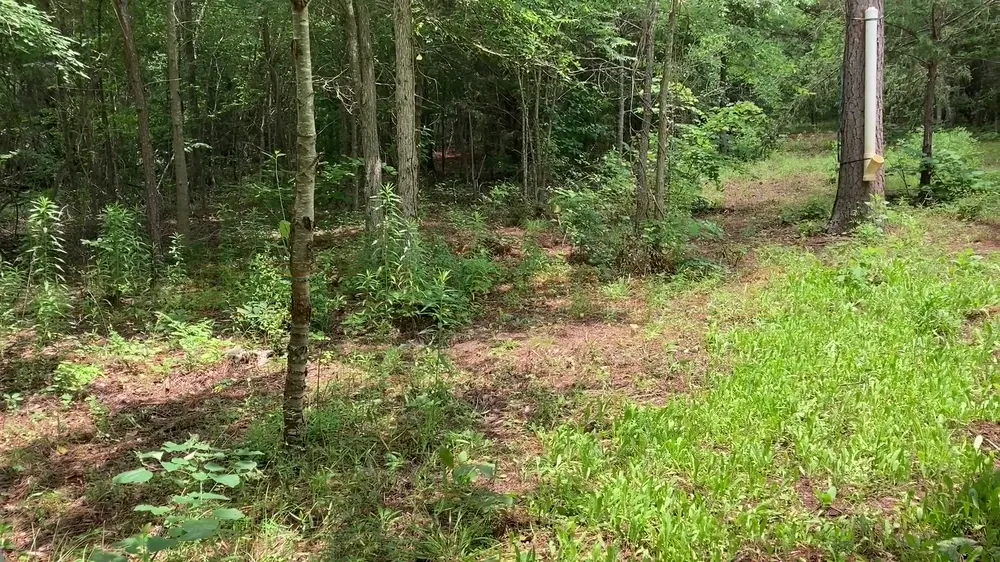
Use a mower, weed eater, or bush hog to clear the area. Once the growth is cut, use a blower or rake to remove the debris so you have clear access to the soil. For hidey-holes, look for wooded areas surrounded by cover where deer already feel comfortable. [00:00:23]
Step 3: Adjust Soil pH and Nutrients
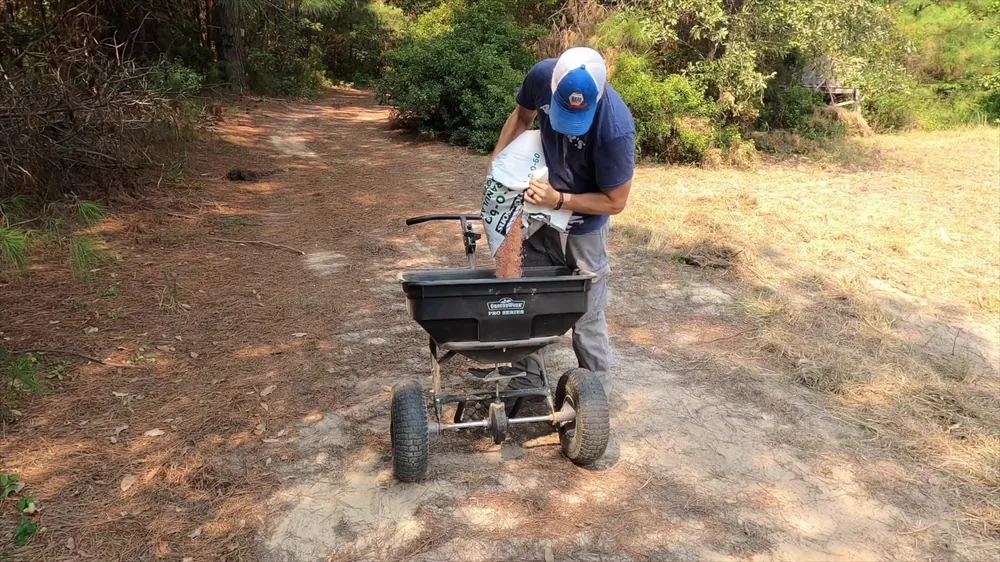
Based on your soil test, add the necessary supplements. In many areas, this means adding lime to balance acidity and potash for nutrients.
Lime: Pelletized lime is often easier to spread than pulverized lime in small plots. [00:00:50]
Potash: This can be bought at farm supplies, or you can use wood ash from a firepit in a pinch. [00:01:22]
Step 4: Till the Soil
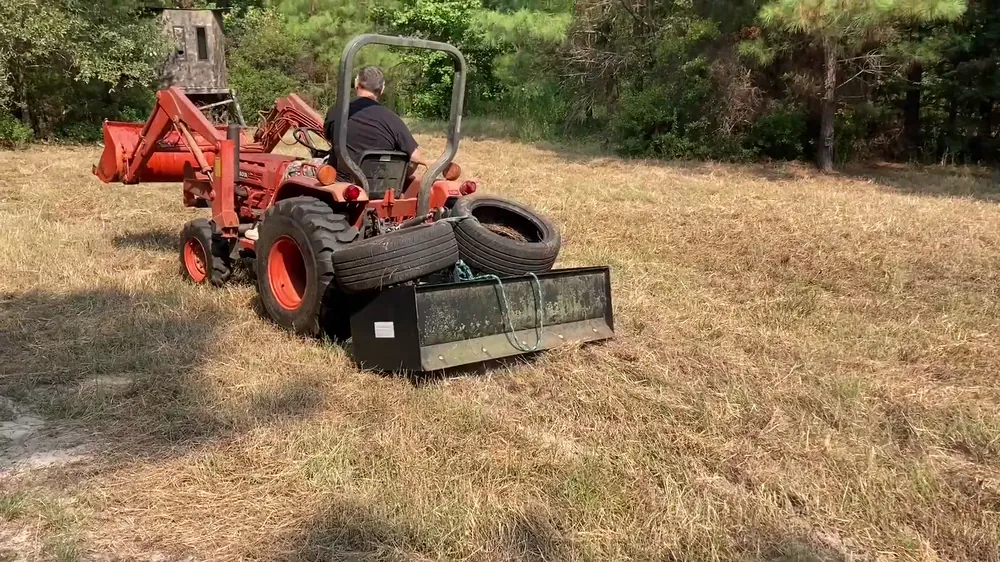
To ensure good seed-to-soil contact, turn over the top layer of dirt. If you don't have a large tiller, you can use a hand rake or the angled tines of a box blade on a small tractor. [00:02:00]
Step 5: Broadcast Your Seed
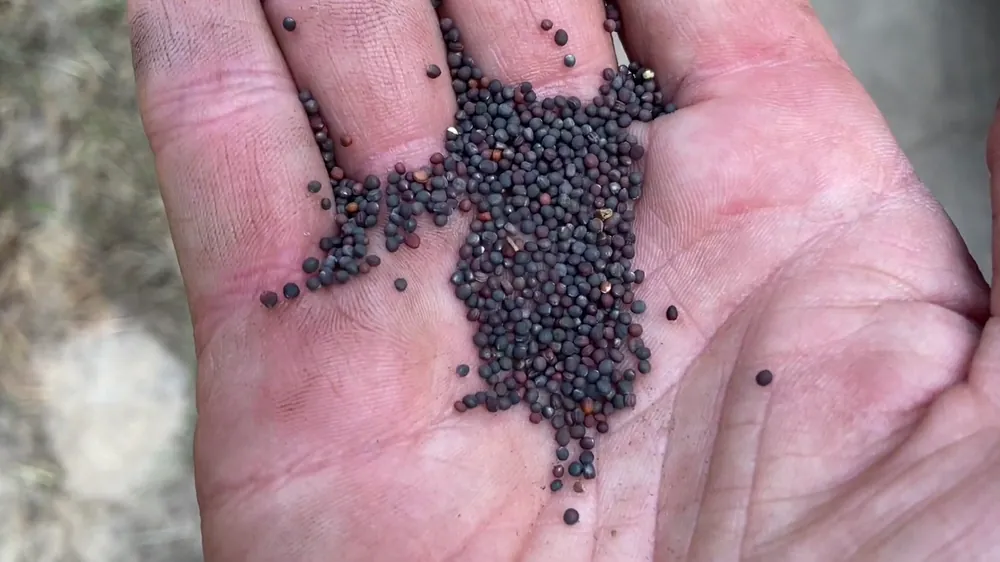
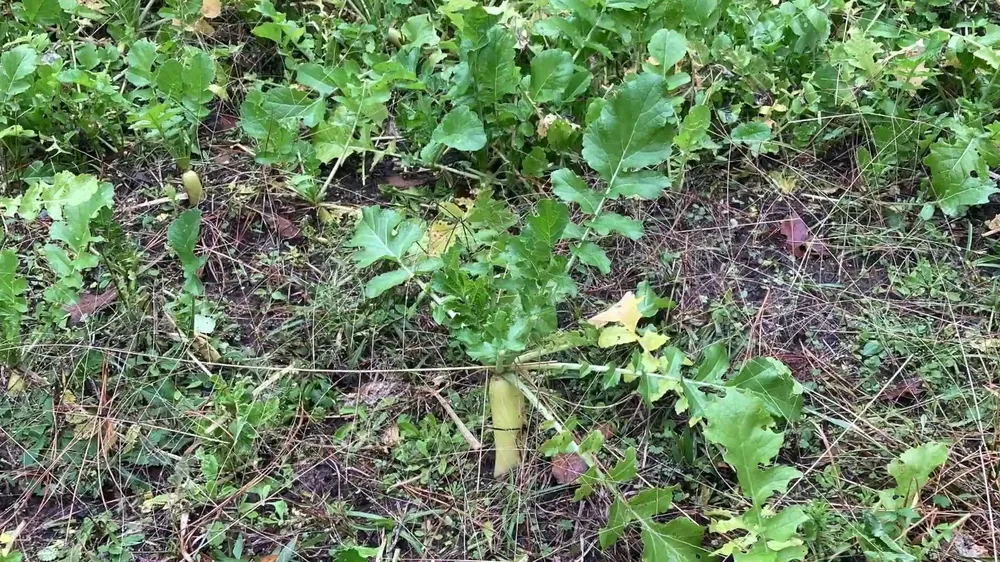
Follow the recommended spreader rate on your seed bag. If you don't have a mechanical spreader, you can hand-broadcast the seed across the plot. Focus on "alluring" plants like radishes and turnips, as deer will eat both the leafy greens and the taproots. [00:02:16]
Step 6: Cover and Wait for Rain
Lightly cover the seed by raking it in or dragging an old set of tires behind a tractor to move just enough soil to protect the seed. [00:02:44] Timely rain is critical for success, so try to plant when rain is in the forecast. In Texas, mid-to-late September is a great target for a fall plot.
The Reward
Watching a small plot thrive is incredibly rewarding. These tucked-away spots are often the best places to catch an elusive buck during the transition period between bedding and major feeding areas. [00:02:49]